What is a mentalist?
Mentalism is a performing art where entertainers create the illusion of mind reading, telepathy, and influence through psychological techniques and showmanship. This comprehensive guide covers what mentalism is and how it differs from magic, explores the psychology and methods behind mentalist performances, profiles famous performers like Derren Brown and Uri Geller, and explains the techniques used to spot and learn mentalism. You will learn how mentalists work, what makes successful performances, and whether mentalism relies on genuine abilities or refined skills developed through years of practice.
What is mentalism?
Mentalism is a performing art where entertainers create the impression of supernatural mental abilities through psychological techniques and showmanship. Mentalism definition is the performing art distinct from magic because it emphasizes mental phenomena over physical illusions. The performance of mentalism involves demonstrations that appear to showcase mind reading, telepathy, precognition, and mind control mentalism. Mentalism is a performing art that entertains through psychological demonstrations. Mentalism is a performing art distinct from traditional magic because it focuses on the appearance of mental powers than physical illusions.
Mentalism may incorporate elements of psychology, suggestion, and observation to produce effects that seem impossible. Performers present muscle reading mentalism and other psychological demonstrations that blur the line between entertainment and apparent psychic phenomena.
What is a mentalist?
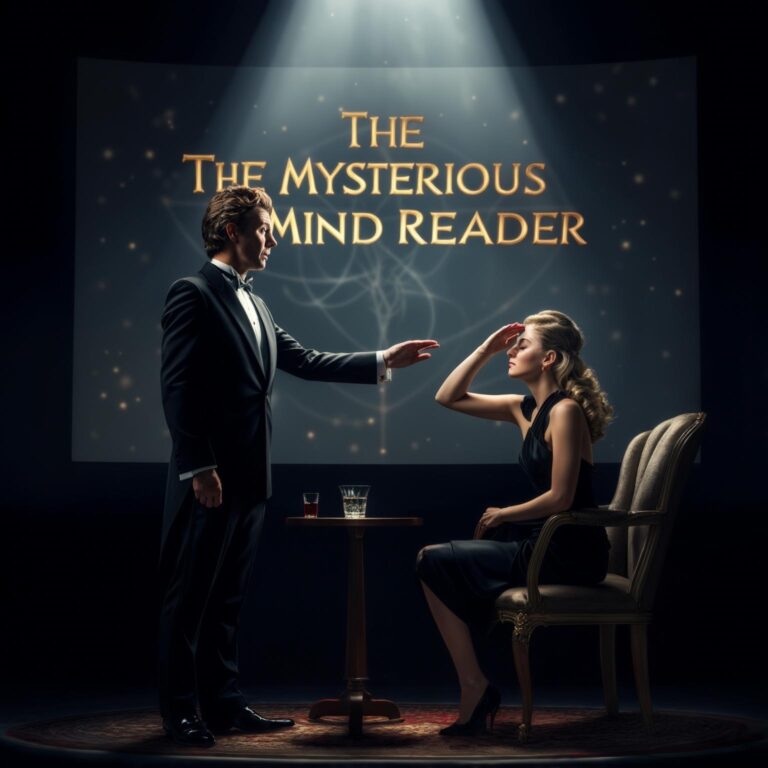
A mentalist is an entertainer mentalist who specializes in creating the illusion of extraordinary mental abilities through skilled performance techniques. The ways a mentalist performs include demonstrations of telepathy, mind reading, prediction, and influence over audience behavior. A skilled mentalist masters observation, psychology, and communication to produce effects that appear supernatural.
Mentalist performances blend theatrical presentation with psychological techniques to create compelling entertainment. The ways a mentalist creates these effects vary from cold reading to misdirection and advanced memory techniques. Max maven mentalist and other professionals have elevated this performing art to sophisticated levels of audience engagement and psychological mystery.
What is a magician? (for comparison)

| Aspect | Comparison |
|---|---|
| A magician creates entertainment through visual illusions, physical trickery, and sleight-of-hand techniques | maintaining the traditional focus on visual trickery and prop-based illusions |
A sleight-of-hand magician specializes in manipulating objects like playing card tricks to create visual impossibilities. Every magician feat depends on misdirection, dexterity, and carefully designed props. While a mind-reading magician might incorporate mentalism elements into their act, traditional magicians focus on physical illusions. The magician Girolamo Scotto documented early magic techniques during the Renaissance period, establishing foundations that mentalist magicians later adapted. Stage magic can be traced back thousands of years across diverse cultures.
Mentalist vs magician: what’s the difference?
**

| Aspect | Comparison |
|---|---|
| The core difference lies in presentation and focus. A mentalist makes predictions and demonstrates a | a successful mentalist cultivates the appearance of genuine mental abilities than admitting t |
Distinctions
A mind reader entertainer creates psychological effects through observation and deduction while a magician produces visual spectacles. The mind reading illusion depends on verbal and non-verbal communication than hand movements to create physical deceptions. Sleight-of-hand magic requires years of practice manipulating physical objects, whereas mentalism emphasizes understanding human behavior and psychology.
Girolamo scotto mentalist historians trace early European magic traditions, while modern mentalism evolved separately as a psychic entertainer phenomenon. The psychic entertainer creates an atmosphere of genuine supernatural ability, distinguishing the presentation style from traditional magic’s acknowledged trickery. Mind reader entertainers avoid visible props and mechanics, focusing instead on interpersonal dynamics and psychological demonstration.
The overlap between mentalism and magic
Both disciplines involve the audience through interactive demonstrations and emotional engagement. A mind reader may create the illusion of telepathy while magicians create visual illusions, yet both aim to entertain through impossible-seeming feats. Some performers claim to predict the future, whether through mentalism or magical divination presentations.
Both arts engage the mind and imagination of spectators, creating memorable experiences through mystery and wonder. The power of the mind becomes a theme in both disciplines, whether explored through psychological demonstration or metaphorical magical presentation. Modern entertainment increasingly blends these forms as performers recognize the complementary nature of physical and psychological mystery.
The difference: props vs psychology
Mentalism centers on giving the impression of genuine mental abilities through psychological understanding and interpersonal skills. Mind reading relies heavily on observation, communication, and the mentalist’s understanding of human psychology. While magicians use visible apparatus, mentalism achieves effects through invisible means rooted in reality with explorations of psychology than mechanical trickery.
Human psychology provides the foundation for mentalism effects, including reading subtle cues, managing perception, and guiding thought processes. Some mentalists enhance their understanding of human psychology through psychology courses and systematic study of behavioral science. The mentalist’s tools remain invisible, consisting of trained observation, linguistic precision, and deep understanding of how people think and behave.
What does a mentalist do?
The mentalist definition encompasses entertainers who specialize in psychological demonstrations that appear to show supernatural mental powers. Performers known as mentalists demonstrate apparent abilities to read thoughts, predict choices, influence decisions, and reveal hidden info. Modern mentalists use refined techniques from psychology, magic, communication theory, and behavioral science. A mentalist may perform thought reading, predictions, metal bending, or apparent remote viewing depending on their specialty and show format.
Professional mentalists today work in theaters, corporate events, television, and private performances. The mentalist may choose various performance styles ranging from serious demonstrations to comedy-oriented presentations. Professional mentalists today distinguish themselves from psychics by acknowledging their work as entertainment while maintaining the mystery of their methods.
Mentalism effects
The basics of mentalism include several categories of effects that create the impression of mental powers. Many mentalism effects involve apparent telepathy where the performer seems to know info they couldn’t have learned through normal means. Common categories include.
– Mind reading: Revealing thoughts, names, or info seemingly impossible to know
– Prediction: Forecasting choices or events before they occur
– Influence: Guiding audience decisions while maintaining appearance of free will
– Memory feats: Demonstrating exceptional recall of complex info
– Psychokinesis: Creating the illusion of moving objects with mental power
A mentalism effect might include predicting choices before they happen or revealing personal info about strangers. Hot reading mentalism techniques involve secretly obtaining info about audience members before the performance. Each feat of mentalism combines multiple psychological principles and techniques to produce a convincing demonstration. Hypnosis mentalism demonstrates apparent control over subjects’ behavior and perception.
What a mentalism show looks like
A mentalism show differs from a magic show entertainer’s visual spectacle and prop-heavy presentation. Mentalism performing art emphasizes direct audience interaction and personal connection over distant stage illusions. Mentalism shows typically feature minimal props, with the performer working without elaborate equipment or visible apparatus. Practitioners of mentalism engage audiences through demonstrations that feel personal and psychologically revealing than visually spectacular.
Modern mentalism favors intimate settings where subtle communication and observation become possible. The mentalism community maintains various performance styles from theatrical presentations to close-up demonstrations. Practitioners typically wear formal attire and maintain serious demeanors to enhance the impression of genuine mental abilities, though some modern performers adopt more casual and humorous approaches.
How does mentalism work?
Mentalism works through a combination of psychological observation, deception techniques, and performance skills. The secrets of mentalism lie not in supernatural abilities but in understanding how the human brain processes info and makes decisions. Cold reading mentalism relies on making accurate statements about people based on subtle cues and high-probability guesses. Mentalists work by directing attention, controlling info flow, and creating false memories.
Whether mentalism may work depends on the performer’s skill and the audience’s willingness to suspend disbelief. Sometimes mentalism didn’t work because the performer made errors or the audience spotted the technique. When mentalism didn’t work in demonstrations, audiences often attribute failure to environmental factors. Historical records show that mentalism didn’t work consistently even for famous performers, yet audiences remembered successes more vividly than failures. When mentalism works effectively, the audience experiences genuine wonder.
The mechanics behind mentalist performances rest on misdirection, psychological manipulation, and observation. Performers guide audience attention away from the method while emphasizing the effect. The brain fills gaps in perception with logical assumptions. Mentalists exploit these cognitive shortcuts.
Memory operates imperfectly. People remember what they expect than what occurred. Skilled performers plant suggestions that reshape how audiences recall events.
The brain seeks patterns even when none exist. Random coincidences appear meaningful. Mentalists amplify this tendency.
Techniques of mentalism
Psychological techniques form the foundation of mentalist performances. These methods manipulate perception and cognition without the audience’s awareness. Showmanship techniques enhance the presentation, making simple methods appear miraculous. Telepathy mind reading requires building rapport and reading micro-expressions.
The mind-reading illusion depends on forcing choices while maintaining the appearance of freedom. Magic techniques adapted for mentalism include dual reality, where different audience members experience different versions of the same trick. Techniques and showmanship combine to create a performance that defies logical explanation.
Observation skills prove crucial. Mentalists scan for clothing brands, jewelry, posture, and speech patterns. Each detail reveals info. A wedding ring indicates marital status.
Calluses suggest hobbies or professions. Eye movements signal thought processes. Breathing patterns reveal emotional states.
Skilled performers gather dozens of data points within seconds. They process this info instantly while maintaining conversation. The audience perceives spontaneous revelation than deduction.
Forcing techniques control audience choices. Multiple methods exist. Magician’s choice restricts options through linguistic framing. Physical forces guide selections through subtle pressure.
Psychological forces exploit predictable human behavior. When asked to name a vegetable, most people say carrot. Asked for a two-digit number, 37 appears frequently. Mentalists use these statistical patterns.
Failures happen occasionally. Performers have backup strategies. The audience rarely notices.
The psychology behind mentalism
Mentalism has evolved from spiritualist traditions into a sophisticated performing art. The mentalism definition encompasses entertainment that simulates psychic powers through natural means. Examples of mentalism include predictions, mind reading, and influence demonstrations.
Card tricks mentalism adapts traditional magic props for psychological presentations. Mentalism tricks exploit cognitive biases and perceptual limitations. Mentalism requires extensive practice, psychological knowledge, and performance skills that develop over years.
The brain operates through shortcuts called heuristics. These mental rules help process info quickly but create predictable errors. Confirmation bias makes people notice evidence supporting their beliefs while ignoring contradictions.
Availability bias overweights recent or vivid info. Anchoring bias causes initial info to disproportionately influence subsequent judgments. Mentalists weaponize these biases.
They provide anchors that shape audience thinking. They make predictions vague enough that confirmation bias finds matches. They create vivid experiences that override logical analysis.
Attention operates like a spotlight with limited capacity. Directing attention toward one element prevents noticing others. Magicians call this misdirection. Mentalists use conversational misdirection, making the method invisible within natural dialog.
They use temporal misdirection, separating the secret action from the revealed effect. They use logical misdirection, providing plausible but false explanations that satisfy audience curiosity. The brain constructs a narrative that makes sense. Reality becomes less important than perceived reality.
Social dynamics amplify mentalist effects. Audiences collectively validate experiences. When one person claims to experience something, others ad their perception to match. Group settings create pressure to go along.
Skeptics become unwilling to spoil the experience for believers. Performers cultivate this social proof. They select responsive audience members.
They frame skepticism as closed-mindedness. They reward believers with attention. The group enforces participation norms.
Methods explained
Mind control in mentalism means influencing decisions while preserving the illusion of free choice. Muscle reading involves detecting involuntary muscle movements that reveal info. Performers become experts at reading tiny physical responses that signal yes or no answers.
Cold reading generates seemingly accurate personality assessments from observation and probability. During showmanship in front of an audience, mentalists use linguistic ambiguity to maximize hits and minimize misses. A cold reading guess that misses can be reframed as applying to someone the participant knows than themselves.
Hot reading involves secretly obtaining info before the performance. Traditional methods include researching audience members, planting assistants, or eavesdropping. Modern technology expands possibilities. Social media provides detailed personal info.
Wireless communication allows real-time info transfer. Hidden cameras capture written info. These methods remain controversial within the mentalism community.
Some performers consider them cheating. Others argue they enhance entertainment value. The ethical line blurs between research and deception.
Dual reality creates situations where different audience members experience different effects. One participant believes they freely chose a card. Another sees the performer force the selection.
The participant’s testimony convinces others. Nobody compares notes till later. The performer exploits this gap.
Verbal equivocation allows statements with multiple interpretations. The audience assigns fits their experience. Language becomes deliberately ambiguous.
Pre-show work gathers info before the official performance begins. Performers mingle with arriving audience members. Casual conversation extracts details. These details reappear later as psychic revelations.
The audience forgets the earlier interaction. The brain timestamps memories poorly. Info acquired casually seems to originate from supernatural insight.
This method requires social skills and memory. Performers must remember numerous details about multiple people. They must recall this info during performance.
Statistical fishing uses high-probability statements that apply broadly. Mentalists begin vague, then narrow based on feedback. They watch for micro-expressions indicating hits or misses. Positive responses get elaborated.
Negative responses get abandoned quickly. The Barnum effect describes how people accept vague personality descriptions as personally meaningful. Astrology exploits this bias.
Mentalism does too. Statements like “you’ve unfulfilled potential” or “you’ve experienced betrayal by someone close” apply to nearly eone. The audience remembers hits and forgets misses.
Famous mentalist performers
Famous mentalist performers demonstrate that entertainers can achieve mainstream success through psychological entertainment. Every mentalist performer must master showmanship front of an audience to succeed professionally. The mentalist performing demands confidence and charisma that holds audience attention. A mentalist must perform consistently regardless of unexpected audience responses or technical difficulties. Professional mentalists utilize observation skills, psychological knowledge, and showmanship techniques equally.
When a mentalist may perform varies from theater shows to television specials to corporate events. Perform tricks alone never suffices. The mentalist entertainer adds personality, storytelling, and emotional connection that transforms technical skills into memorable experiences worth paying to see repeatedly.
Professional mentalism reached peak popularity during the late 19th century spiritualist movement. Performers claimed genuine psychic abilities. Audiences believed communication with the dead was possible.
The tradition continued into modern entertainment. Some performers maintain ambiguity about their methods. Others explicitly position themselves as entertainers using natural techniques.
Television expanded mentalism’s reach. Specials allow close-up camera work that reveals subtle psychology. Streaming platforms introduced mentalism to global audiences.
Different performers bring distinct styles. Some emphasize comedy and audience interaction. Others create darker, more mysterious presentations.
Some focus on prediction and influence. Others specialize in mind reading demonstrations. Corporate mentalism adapts techniques for business contexts.
Performers customize shows for specific industries. They incorporate company info into routines. This personalization increases perceived relevance and impact.
Derren Brown
Derren Brown stands as the most influential modern mentalist. The derren brown mentalist approach combines psychology, misdirection, and showmanship into compelling television. His stage shows demonstrate influence, prediction, and memory feats at scale. Brown pioneered hot reading methods using hidden technology.
Derren Brown explicitly denies psychic powers while maintaining performance mystery. He explores how the human mind processes info, makes decisions, and constructs reality. Reading body language represents one tool in his extensive technical arsenal that includes hypnosis, suggestion, and misdirection.
Brown trained in hypnosis and neuro-linguistic programming. These skills inform his work. His television specials pushed mentalism boundaries. He predicted lottery numbers, played Russian roulette, and converted atheists to faith.
These stunts generated controversy and publicity. Critics accused him of faking or endangering participants. Brown maintained all content was real but achieved through psychological means than camera tricks.
His books demystify mentalism for lay audiences. He explains psychological principles without exposing specific methods. This approach educated viewers while maintaining entertainment value. Brown influenced countless performers worldwide.
His success proved mentalism could work in mainstream media. Networks commissioned similar shows. Lesser talents attempted to replicate his style. The market became saturated with psychological entertainment.
Uri Geller (controversial)
Uri Geller remains the most controversial figure in mentalism history. The uri geller mentalist career began with spoon bending and telepathy demonstrations. Uri Geller claimed genuine psychic powers than acknowledging performance techniques.
His technique involves misdirection and simple physics that create the appearance of metal bending through mental energy. Scientists initially validated his abilities. Later investigation by the James Randi Educational Foundation revealed standard magic methods.
Geller sued critics and maintained his powers were real despite overwhelming evidence of trickery. Television personalities like Theresa Caputo followed similar paths, blurring entertainment and fraudulent claims. Historical practices like séance mediumship share this ethical ambiguity.
Geller’s success came during the 1970s paranormal boom. He appeared on talk shows worldwide. Scientists at Stanford Research Institute tested him. Initial results suggested genuine abilities.
Skeptics quickly identified flaws in testing protocols. Magician James Randi replicated Geller’s feats using standard tricks. He challenged Geller to perform under controlled conditions. Geller declined or failed when proper controls existed.
The controversy damaged mentalism’s reputation. Serious performers distanced themselves from Geller. They emphasized entertainment than claims of real powers. The ethical boundary became explicit.
Entertainment accepts deception as part of the contract. Claiming real abilities crosses into fraud. Consumer protection laws in multiple countries now restrict such claims. Modern mentalists typically include disclaimers about using natural techniques.
Jon Finch
Jon Finch represents the next generation of mentalist innovation. Mentalist Jon Finch rejects claims of supernatural powers while creating effects that challenge rational explanation. His performances emphasize clairvoyance telepathy and precognition misdirection without relying on traditional mentalism methods or stage props.
Finch masters the misdirection illusion by embedding methods within natural conversation and behavior. His work grounds itself in psychological principles than mechanical tricks. Each trickery feat appears spontaneous and unrehearsed, creating intimacy and believability that formal stage presentations rarely achieve.
Finch pioneered close-up mentalism for small gatherings. Traditional mentalism required stage settings and large audiences. Finch proved the art could work in living rooms and restaurants. This accessibility increased demand.
Corporate clients hired him for private events. Intimate settings created stronger reactions. Participants couldn’t attribute effects to camera tricks or confederates. The proximity intensified the experience.
His influence extended through teaching. Finch mentored younger performers privately. He published limited materials for professionals. His methods emphasized psychology over props.
This approach required deeper understanding of human behavior. Students needed to develop observation skills and conversational control. Technical mastery alone became insufficient.
Bob Cassidy
Bob Cassidy pioneered psychological subtleties that elevated mentalism from simple tricks to profound psychological theater. His approach emphasized understanding audience members on a deep emotional level than relying on mechanical gimmicks. Cassidy’s work explored the intersection between performer and seer divination, creating experiences where the line between entertainment and genuine insight blurred intentionally.
His techniques often include hypnosis as a framework for suggestion while depending primarily on observation and verbal cues than trance states. Reading body language cues became central to his methodology, treating each micro-expression as valuable info. Sleight of hand played minimal roles in his performances, making his work feel more authentic and less like traditional magic.
Cassidy’s writings influenced generations of mentalists who sought depth over flashiness. He emphasized character development over technical prowess. The performer’s persona mattered more than any individual trick. Audiences connected with personalities, not methods.
His philosophy stressed that mentalism should provoke thought than merely entertain. Performances could explore philosophy, psychology, and human nature. Entertainment value came from intellectual stimulation, not mystery. This approach attracted educated audiences who appreciated substance.
Cassidy mentored many successful performers through personal correspondence and limited workshop appearances. He remained selective about students, preferring quality over quantity. His legacy persists through performers who prioritize authenticity and psychological depth over superficial spectacle.
The Amazing Kreskin
The Amazing Kreskin built a legendary career spanning decades of television appearances and live performances. Known as the Amazing Kreskin since the 1960s, he became one of the most recognized mentalist names in popular culture. His approach combined traditional mentalism with intuitive abilities that often amazed audiences and researchers alike.
The Amazing Kreskin mentalist style emphasized suggestion and heightened awareness than claiming supernatural powers. While contemporaries like Max Maven focused on intellectual presentations and figures like the Long Island Medium claimed genuine psychic connections, Kreskin occupied a middle ground that intrigued without definitively claiming paranormal abilities.
Kreskin’s signature demonstration involved hiding his payment somewhere in the venue and finding it through audience observation. This feat showcased his claimed abilities while creating genuine stakes. Failures happened occasionally.
When he couldn’t locate the payment, he genuinely forfeited his fee. This risk added authenticity to performances.
Television made Kreskin a household name. He appeared on talk shows hundreds of times, demonstrating effects for skeptical hosts and curious celebrities. His personable demeanor made mentalism accessible to mainstream audiences. He demystified some techniques while maintaining performance magic.
His influence extended beyond entertainment into research settings. Universities invited him for demonstrations. Researchers tested his abilities under controlled conditions.
Results remained ambiguous, neither definitively proving nor disproving his claims. This ambiguity fueled his mystique and kept audiences debating his methods for decades.
How to spot mentalism techniques
To spot mentalism techniques, watch for patterns in language, observe how performers frame questions, and notice when they make educated guesses based on visible cues. Many people want to learn more about mentalism because recognizing these methods reveals the craft behind seemingly impossible demonstrations. Professional mentalists use mentalism techniques to create illusions that appear supernatural while relying on observation skills and psychological principles.
Techniques to create illusions include forcing choices through subtle word emphasis, reading micro-expressions during interactions, and employing misdirection to control attention. Performers often use mentalism techniques to deceive audiences into believing they possess genuine abilities than refined skills. Understanding many mentalism techniques helps audiences appreciate the dedication required to master this performing art form.
Language patterns reveal how mentalists gather info without seeming intrusive. Cold readers frequently phrase statements as questions, allowing audience reactions to confirm or deny accuracy. Performers watch for subtle head nods, facial tension changes, and shifts in posture that signal correct guesses.
The technique involves making broad statements that apply to most people while appearing specific to individuals. Mentalists also exploit common psychological tendencies, such as people remembering hits while forgetting misses. During interactive segments, skilled practitioners note which topics generate emotional responses and expand upon those areas.
Timing plays a role because pauses after statements encourage audiences to mentally fill gaps with personal details. The observation extends to clothing choices, jewelry, and speech patterns that provide demographic clues. Experienced audiences spot these patterns by tracking how often performers ask confirmation questions versus making definitive declarations.
Learning mentalism: how to become a mentalist
To become a mentalist, study psychology, practice observation skills, and develop presentation techniques that engage audiences. The journey toward extraordinary mental feats begins with understanding how perception and attention work in human consciousness. Aspiring performers who want to become a mentalist must invest years mastering psychological principles and performance craft. Many historical figures claimed to possess genuine supernatural powers than acknowledging their skills as learned abilities.
Modern practitioners train their extraordinary mental abilities through deliberate practice in reading body language and understanding behavioral patterns. Success requires getting the audience to believe in the performance’s authenticity through confident deli and execution. Mental feats that appear spontaneous result from careful preparation and deep knowledge of psychological principles.
Formal education in psychology provides foundational understanding of cognitive biases and perception mechanisms. Many successful mentalists study neurolinguistic programming techniques to recognize thought patterns through speech and movement. Reading extensively about memory, attention, and decision-making helps performers predict audience responses. Practical training involves observing people in eday settings and noting consistent behavioral patterns.
Aspiring mentalists practice cold reading exercises by making educated guesses about strangers based on appearance and behavior. Developing presentation skills through public speaking courses builds confidence and stage presence. Regular practice sessions with friends help refine techniques before performing for paying audiences.
The learning process never ends because human psychology research continually reveals new insights. Joining mentalism communities provides networking opportunities and access to shared knowledge from experienced performers. Studying classic mentalism books written by masters offers time-tested methods that remain across generations.
Essential skills
Essential skills for mentalism include observing body language, mastering cold reading, understanding NLP human behavior patterns, and developing technical skill in presentation. The performing art demands more than knowledge because execution quality determines audience perception of authenticity. Core competencies include.
– Cold reading: Making accurate statements based on observation and probability
– Body language analysis: Recognizing precognition cues and micro-expressions
– NLP techniques: Understanding and influencing human behavior patterns
– Technical performance: Mastering vocal control, timing, and spatial awareness
– Memory systems: Recalling audience info shared during interactions
Practitioners must recognize precognition cues that audiences unconsciously display when making supposedly free choices. Training in clairvoyance performing art techniques teaches how to present info as though received through supernatural channels. Many mentalists incorporate sleight-of-hand trickery to enhance effects without relying solely on psychological methods.
Reading micro-expressions requires thousands of hours observing human faces under various emotional states. Understanding cultural differences prevents misinterpretation of gestures and expressions that vary across societies.
Memory training allows mentalists to recall audience info shared earlier during performances. Developing confidence under pressure ensures smooth reco when effects don’t proceed as planned. Learning proper scripting creates natural-sounding language that conceals strategic phrasing. Mathematical knowledge helps with certain prediction effects that rely on numerical principles.
Photography memory techniques enable quick memorization of audience member details during brief interactions. Studying linguistics improves understanding of how word choices influence perception and decision-making. Practicing improvisational skills prepares performers for unexpected audience responses during interactive segments.
Maintaining physical fitness supports the energy demands of lengthy performance schedules. Cultivating emotional intelligence helps mentalists build rapport quickly with diverse audience types. Ethical awareness guides performers in avoiding harmful applications of psychological techniques outside entertainment contexts.
Mentalism FAQ
What’s the difference between a mentalist and a psychic?
A mentalist is an entertainer who uses psychological techniques and learned skills, while a psychic claims to possess actual psychic powers received through supernatural means. The difference between magic and mentalism extends to how these performers position themselves in relation to genuine abilities. Mentalists openly acknowledge their craft involves telepathy psychic demonstrations as theatrical performances than real paranormal phenomena. Psychic telepathy claims suggest abilities to communicate thoughts directly between minds through extrasensory perception.
Psychics often work as psychic mediums who claim to channel messages from deceased individuals. Mentalists study psychology and human behavior to simulate these effects through observation and deduction. The ethical distinction matters because psychics often charge for personal readings claiming genuine supernatural insight.
Professional mentalists typically include disclaimers clarifying their performances rely on techniques than genuine paranormal abilities. Psychics frequently avoid such disclaimers and may genuinely believe in their abilities. The training paths differ substantially because mentalists study performance craft while psychics often claim innate gifts.
Regulatory environments sometimes treat these practitioners differently, with psychics subject to consumer protection laws. Audiences seeking entertainment prefer mentalists who deliver impressive demonstrations without deceptive claims. Those seeking spiritual guidance may turn to psychics despite skeptical evidence about paranormal claims.
The philosophical divide centers on whether performers acknowledge using learned techniques or claim genuine supernatural access. Mentalists contribute to skeptical education by demonstrating how seemingly impossible feats occur through natural means. This distinction protects vulnerable individuals from potentially harmful reliance on paranormal claims during difficult life decisions.
Are mentalists just magicians?
Mentalists aren’t magicians because while magicians and mentalists share some techniques, skilled mentalists focus on psychological effects than physical illusions. Many mentalists deliberately distinguish themselves from magicians through presentation style and effect selection. Performing mentalists emphasize mind-reading and prediction demonstrations while magicians feature visible transformations and appearances. Skilled mentalists create the impression of genuine mental abilities whereas magicians openly present impossible physical events.
The overlap exists because mentalists perform tricks using some methods borrowed from magic while adapting them for psychological contexts. Some practitioners identify as both magician and mentalist, incorporating elements from each discipline. The distinction matters to performers who build their brand identity around specific types of effects and presentation approaches.
Audience expectations differ between these performance types because mentalism shows typically involve more audience interaction and personalization. Magicians often perform rehearsed routines with minimal variation whereas mentalists adapt effects to individual audience members. The props used reveal another distinction because magicians rely heavily on specialized equipment while mentalists often perform with everyday objects. Training backgrounds diverge, with magicians studying mechanical principles and mentalists focusing on psychology.
Performance venues sometimes categorize these acts separately, booking mentalists for corporate events requiring personalized experiences. The marketing approaches differ because mentalists position themselves as psychological entertainers while magicians emphasize wonder and impossibility. Some audiences prefer mentalism’s intimate and seemingly personal nature over magic’s visual spectacle. The relationship between these forms remains complex because many performers draw from both traditions while emphasizing one identity.
Can mentalists really read minds?
Mentalists can’t read minds in the literal sense because professional mentalists use observation, psychology, and deduction than telepathic abilities. The ability to read body language provides substantial info about thoughts and emotions without supernatural powers. Mentalists often study facial expressions, posture changes, and vocal patterns that reveal inner states. These professionals develop refined attention to detail that allows rapid processing of multiple behavioral cues simultaneously.
The illusion that mentalists read minds emerges from combining several techniques during a single demonstration. Observers often underestimate how much info people unconsciously reveal through behavior and language patterns. Skilled mentalists guide conversations toward topics where they can make educated guesses with high success rates.
The techniques include cold reading strategies that apply broadly accurate statements to most individuals. Mentalists also employ hot reading when possible, gathering advance info about audience members. Statistical probability works in performers’ favor because audiences remember successful predictions while forgetting failed attempts.
Confirmation bias leads people to interpret ambiguous statements as specifically accurate to their situations. Performers cultivate personas suggesting genuine abilities to enhance entertainment value and audience engagement. The presentation style emphasizes mysterious knowledge than explicit explanations of deductive processes.
Language patterns deliberately imply direct mental access than educated guessing from observable data. Scientific research consistently demonstrates genuine telepathy lacks credible evidence despite extensive investigation. The entertainment value stems from experiencing seemingly impossible demonstrations that challenge ordinary understanding of human perception limitations.
Is mentalism harder than magic?
Mentalism is harder than magic in because while magic and mentalism both require technical skill, mentalism demands stronger adaptability and showmanship since the mentalist seldom uses visually interesting props. The mental magic subset of traditional magic incorporates some mentalism elements into magical frameworks. A mental magic teller combines prediction effects with traditional fortune-telling presentations. Stage magic mentalism combines visual illusions with psychological demonstrations for comprehensive entertainment experiences.
Learning magician mentalism requires mastery of both physical techniques and psychological principles. Mental magic performances challenge audiences’ understanding of thought processes than physical laws. The difficulty comparison depends on specific effects because some magic tricks require years of physical practice while mentalism effects need extensive study of human behavior.
Traditional magic allows performers to control most variables through preparation and rehearsed routines. Mentalism frequently involves real-time adaptation to audience responses that can’t be fully predicted. The improvisational demands in mentalism exceed those in most magic performances. Physical dexterity requirements in magic can be extreme, demanding thousands of practice hours for sleight-of-hand mastery.
Psychological reading skills in mentalism develop over lifetimes of observing human behavior patterns. Magic props provide mechanical assistance whereas mentalism relies primarily on performer skill and psychology. The learning curves differ because magic students see concrete progress in technical skills while mentalism improvement feels more gradual.
Performance anxiety affects mentalists differently because apparent failures in mind-reading seem more personal than failed magic tricks. Both disciplines reach equal difficulty at elite levels where performers create original effects requiring years to develop. The subjective nature of “harder” means individual aptitudes determine which path proves more challenging for specific performers.
Do mentalists use magic tricks?
Mentalists use techniques similar to magic tricks, but they present these methods as demonstrations of psychological ability than impossible physical events. Mentalists use illusion in service of creating impressions about mental than physical powers. Traditional magic tricks focus on visible impossibilities like objects appearing or disappearing instantly. The illusion magic trick category includes effects mentalists sometimes incorporate but reframe as mental phenomena.
Magic shop tricks designed for mentalism emphasize prediction and revelation than visual transformation. Mentalists use techniques from magic’s toolkit while changing presentation contexts to suggest psychological than supernatural explanations. The methods overlap substantially even though performance framing differs dramatically between disciplines.
Card forces commonly used in magic become tools for reading minds when mentalists employ them. Dual reality principles allow different audience members to experience the same effect differently, creating stronger psychological impact. Pre-show work gathers info that seems spontaneously revealed during performances. Mathematical forcing procedures ensure predicted outcomes while maintaining the appearance of free choice.
Verbal equivocation lets performers adapt revelations based on audience member selections. These techniques exist in magic but serve different purposes when recontextualized for mentalism presentations. The ethical considerations differ because mentalism presentations sometimes blur lines between entertainment and claims of genuine ability. Professional mentalists debate appropriate disclosure levels regarding their methods and capabilities.
The technical skill requirements remain high regardless of whether effects are framed as magic or mentalism. Audiences appreciate demonstrations differently based on how performers position their abilities and the authenticity they imply. The versatility of magical principles allows adaptation across both performance styles depending on desired audience impressions.
What is mentalism in simple terms?
Mentalism is the performing art of creating the impression of possessing extraordinary mental abilities through psychological techniques and showmanship. Mentalism is the art of understanding human perception and exploiting cognitive limitations to create seemingly impossible demonstrations. A mentalism performance demonstrates apparent mind-reading, prediction, influence, and other mental feats using learned skills than supernatural powers. The art of mentalism evolved from 19th-century spiritualism practices into modern entertainment psychology. Popular mentalism tricks include predicting audience choices, revealing personal info without prior knowledge, and demonstrating seemingly impossible memory capabilities.
The history of mentalism traces back to ancient oracle traditions that claimed supernatural insight into hidden knowledge. Modern mentalism emphasizes entertainment value while often acknowledging techniques than claiming genuine paranormal abilities. Each mentalism feat relies on understanding how human perception, memory, and decision-making processes work.
Performers combine observation skills, psychological knowledge, and presentation techniques to create compelling demonstrations. The effects capitalize on cognitive biases and perceptual limitations that affect how audiences process info. Misdirection guides attention away from methods while focusing observers on seemingly impossible outcomes. Suggestion influences how people remember and interpret experiences during and after performances.
Statistical thinking helps mentalists make high-probability guesses that appear specific to individuals. The practice requires ethical awareness because the same techniques can be misused outside entertainment contexts. Educational value exists in revealing how easily perception can be manipulated through natural psychological principles.
The art form continues evolving as psychological research provides new insights into cognition and behavior. Contemporary mentalists often incorporate technology to enhance traditional effects with modern presentation styles. The appeal remains unchanged across centuries because humans wonder about consciousness boundaries and hidden mental capabilities.
Is mentalism the same as magic?
Mentalism is the art of creating psychological illusions, while traditional magic relies on physical props and sleight of hand. The magic trick depends on visual deception, whereas mentalism focuses on appearing to read thoughts or predict outcomes. Traditional magic uses coins, cards, and props to create wonder. Mentalism uses conversation, observation, and suggestion to create mental effects.
Real magic illusion techniques differ from mentalism in presentation style. Magicians show you impossible physical feats. Mentalists convince you they possess mental abilities. The distinction lies in the method and the impression created.
Suggestive magic can be traced back to ancient performers who combined both approaches. Early magicians used props while hinting at supernatural insight. Modern performers separate the two disciplines more.
Magicians embrace theatricality and obvious impossibility. Mentalists downplay showmanship to emphasize believability. Both entertain audiences but target different emotional responses.
Magic creates astonishment at what you see. Mentalism creates uncertainty about what the performer knows. The line blurs when performers mix both styles.
Is mentalism real or fake?
It is fake in that mentalism uses trickery illusion techniques, not mental powers. Performers employ psychology, observation, and showmanship to create convincing demonstrations. No mentalist possesses genuine telepathy or precognition. E effect has a logical explanation rooted in technique.
Illusionist skeptic organizations have repeatedly challenged performers claiming real abilities. The theatrical performance aspect remains central to the art form. Mentalists create the appearance of mind reading through skill and practice.
Audiences often debate whether specific performers use real powers. The oracle or seer archetype appeals to people seeking supernatural explanations. Professional mentalists maintain ambiguity about their methods to preserve mystery. Revealing techniques would destroy the emotional impact of the performance.
The art requires audiences to suspend disbelief temporarily. Mentalism works because people want to believe in extraordinary abilities. The performer’s job involves making the impossible seem plausible. Trickery illusion methods stay hidden to protect the integrity of each demonstration.
The difference between entertainment and deception matters in ethical mentalism. Performers must signal their work as entertainment, not actual psychic ability. Claiming genuine extraordinary mental powers crosses into fraud territory. Responsible mentalists acknowledge their craft as skilled performance.
The theatrical performance framework lets audiences enjoy the mystery safely. Skeptics value mentalism as art when presented. The oracle or seer presentation works when framed as roleplay, not reality.
What’s the difference between a mentalist and a psychic?
A psychic or clairvoyant asserts genuine access to hidden info through paranormal means. Mentalists openly present their work as entertainment using learned techniques, while psychics claim actual supernatural abilities. Magicians and mind readers acknowledge their craft as skillful deception.
Psychic abilities supposedly include communicating with the dead, seeing the future, or reading energy fields. Psychics and tarot card readers offer services marketed as genuine spiritual guidance. Mentalists perform in theaters and corporate events as acknowledged entertainers.
The distinction centers on claims of authenticity. Mentalists use psychic body language techniques, cold reading, and psychological principles without claiming real powers. Psychics present identical methods as evidence of supernatural gifts. The difference matters for consumer protection.
People seeking entertainment understand mentalism as performance. People consulting psychics may believe they receive genuine spiritual insights. Ethical concerns arise when performers blur these boundaries.
Magicians and mind readers train in specific techniques to create mental effects. Psychic or clairvoyant practitioners often lack formal training in deception methods. Mentalists study human behavior, suggestion, and communication patterns systematically. Psychics may genuinely believe in their abilities despite using unconscious cold reading.
The psychic body language interpretation happens intuitively than through deliberate technique. Psychics and tarot card readers develop pattern recognition without understanding the psychological mechanisms. Mentalists consciously apply psychological principles to achieve specific effects.
Professional mentalists distinguish themselves from psychics explicitly. The mentalism community values honesty about methods being techniques, not powers. Psychic abilities remain scientifically unproven despite extensive investigation. Mentalists welcome scrutiny because their art depends on skill, not supernatural claims.
Magicians and mind readers preserve the mystery of HOW effects work while confirming they’re worked through technique. Psychics avoid scrutiny by claiming powers that supposedly resist scientific testing. The divide separates acknowledged performance from claimed reality.